
A significant amount of heat can be lost through the roof of an inadequately insulated home. Installing or upgrading your loft insulation is one of the simplest and most effective ways to improve your property’s energy efficiency, reduce heat loss and make your home feel warmer and more comfortable.
Arrow Energy Solutions provides professional loft insulation installation for private homeowners throughout the South of England. Whether your loft has no insulation, an insufficient covering or old insulation that has become damaged or disturbed, our experienced team can inspect the area and recommend the appropriate solution.
Loft insulation should generally have a total depth of at least 270mm when using glass mineral wool. Many older properties have only 50mm to 100mm installed between the ceiling joists, which is significantly below the level now recommended.
Where suitable, we can retain existing insulation that remains clean, dry and correctly installed, before adding a new layer to bring the overall depth up to at least 270mm.
The additional insulation is normally cross-laid over the ceiling joists. This helps cover gaps and reduces heat loss through the timber joists, creating a more consistent and effective thermal layer across the loft.
The Energy Saving Trust recommends topping loft insulation up to at least 270mm where required.
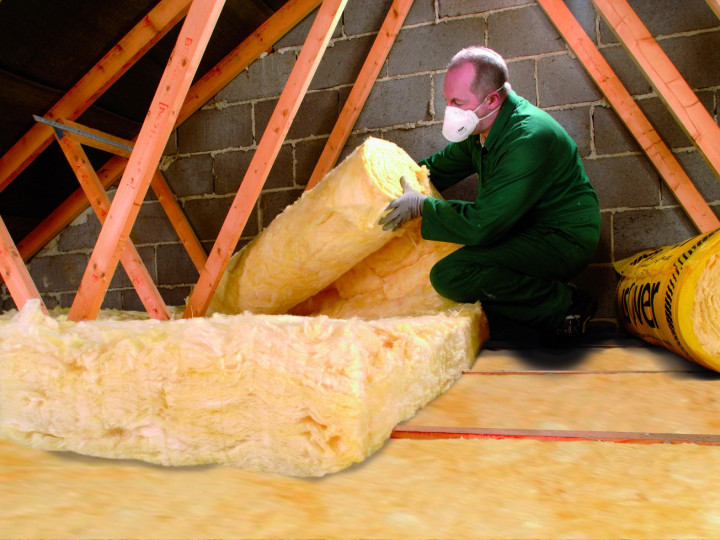
Properly installed loft insulation can:
Around 26% of the heat in an uninsulated home can be lost through the roof, making the loft one of the most important areas to address when improving a property’s energy efficiency.
Existing insulation does not always need to be removed. If it is dry, clean, evenly installed and in reasonable condition, it may be possible to leave it in place and install a new layer over it.
Removal may be recommended where the existing insulation is:
Loft insulation must be installed carefully. Poor installation can leave gaps and cold spots or obstruct the ventilation required at the eaves.
Our installers ensure that the insulation is evenly distributed and correctly positioned while taking account of ventilation openings, electrical components, pipework, tanks and other services.
Where appropriate, the first layer is fitted between the ceiling joists, with a second layer installed at right angles across them. This creates the required overall depth and reduces thermal bridging through the joists.
When insulation is added at ceiling level, the loft space above it becomes colder. This means that water tanks and pipework may become more vulnerable to freezing during cold weather.
Accessible water pipes should therefore be suitably insulated, and cold-water tanks should have appropriate insulation around their sides and over the top. Insulation should not normally be placed directly beneath a cold-water tank, as some warmth from the rooms below is required to help protect it from freezing.
A well-insulated loft must also be properly ventilated. Eaves ventilation should not be blocked by insulation, as restricting airflow can increase the risk of condensation within the roof space.
Where necessary, ventilation trays or insulation retaining products can be used to maintain airflow at the eaves while allowing the insulation to reach the perimeter of the loft.
If we identify signs of condensation, roof leaks or inadequate ventilation, we will explain the issue and advise whether further investigation or remedial work is required before insulation proceeds.
Insulation should not be packed directly around unsuitable recessed downlights, transformers or other electrical equipment that may overheat.
Where downlights are present, suitable protective covers may be required to maintain safe clearance while allowing insulation to continue over the surrounding area. Electrical cables must also be considered, particularly where they could become completely surrounded by insulation.
Any significant electrical concerns should be inspected by a qualified electrician before the loft insulation is installed.
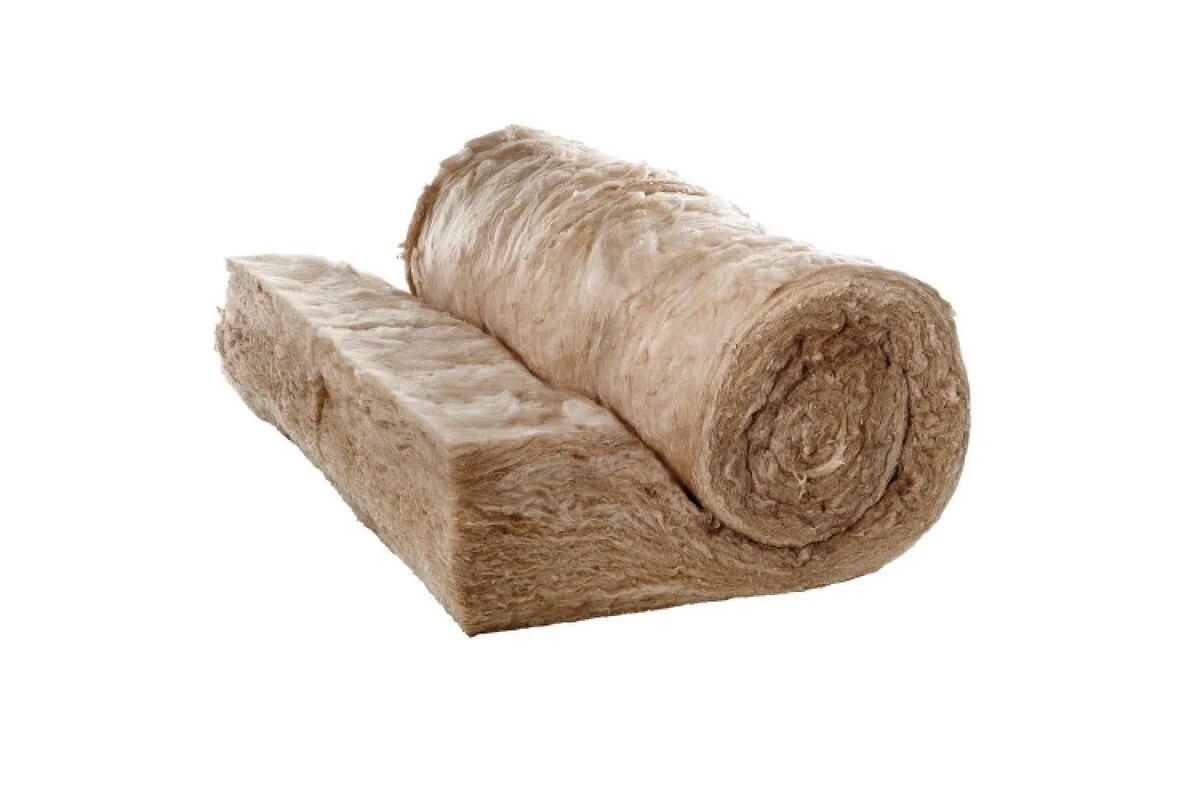
We use high-quality Knauf Loft Roll glass mineral wool insulation, a trusted product designed specifically for insulating lofts at ceiling level.
Knauf Loft Roll is:
Knauf manufactures dedicated Loft Roll products for residential loft insulation, including its Loft Roll 44 range.
Unlike spray foam, traditional mineral wool loft insulation remains flexible and accessible. It allows the roof structure to be inspected in the future and can be lifted locally where access to services or repairs is required.
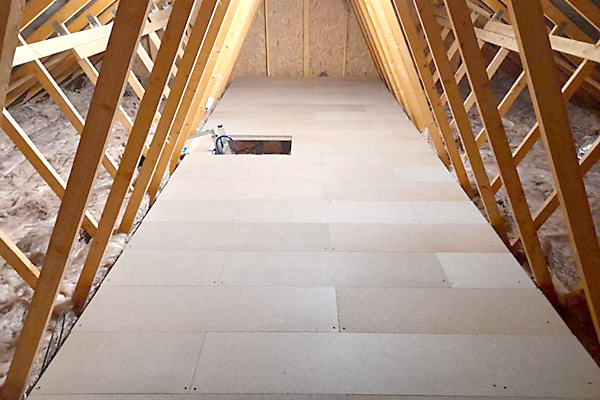
Standard loft insulation installed to a depth of 270mm will normally sit above the height of the ceiling joists. Existing loft boards must not be laid directly on top of the insulation or used to compress it, as compressed insulation will not perform as intended.
Where continued storage access is required, a properly designed raised boarding system may be needed. This allows the required insulation depth to remain beneath the boards without being compressed.
We can discuss access and boarding requirements during the survey so that the proposed insulation works remain compatible with how you intend to use the loft.
The recommended amount of loft insulation for maximum effectiveness is 270mm or 10-12 inches.
The Loft Insulation Technicians arrive at your home and roll out the first layer between the joists if no insulation is present. They will then cross-lay the final layer.
Installing loft insulation can take on average up to two hours. This could vary for larger properties with bigger loft spaces.
Yes, you do. It can be daunting thinking about clearing your loft space, especially if you are one of those who store items from years gone by, mixed in with a Christmas Tree or two. Loft Insulation Technicians need a clear loft to insulate it effectively, therefore moving old boxes and stored objects is necessary before the installation.
The installer can leave a small section close to your hatch for storage, boarding over your insulation is not recommended as once laid the insulation will recover to the depth installed. Boarding directly over the top will interfere with the performance of the insulation and recovery.
Loft Insulation Technicians will set up access equipment to enter the loft. It is best practice, for Technicians to use company-issued ladders for health and safety reasons unless existing ladders are secured to the loft hatch.
Loft Insulation Technicians will set up access equipment to enter the loft. It is best practice, for Technicians to use company-issued ladders for health and safety reasons unless existing ladders are secured to the loft hatch.
Yes, you can, as the rolls can be split. Recommended minimum loft hatch size is 300mm x 450mm.
Reputable installers on entering your home will lay down dust sheets and a floor protector to minimise any mess.
Some people choose to insulate their loft themselves. However, it’s best to bring in an experienced installer to insulate your loft most effectively. They have the expertise, and safety equipment and should have the necessary accreditations – like the TrustMark accreditation. It also removes the hassle of laying insulation in a hot and uncomfortable environment.